Maritime
Ukraine Is Fighting Russia in Africa
September 25, 2026
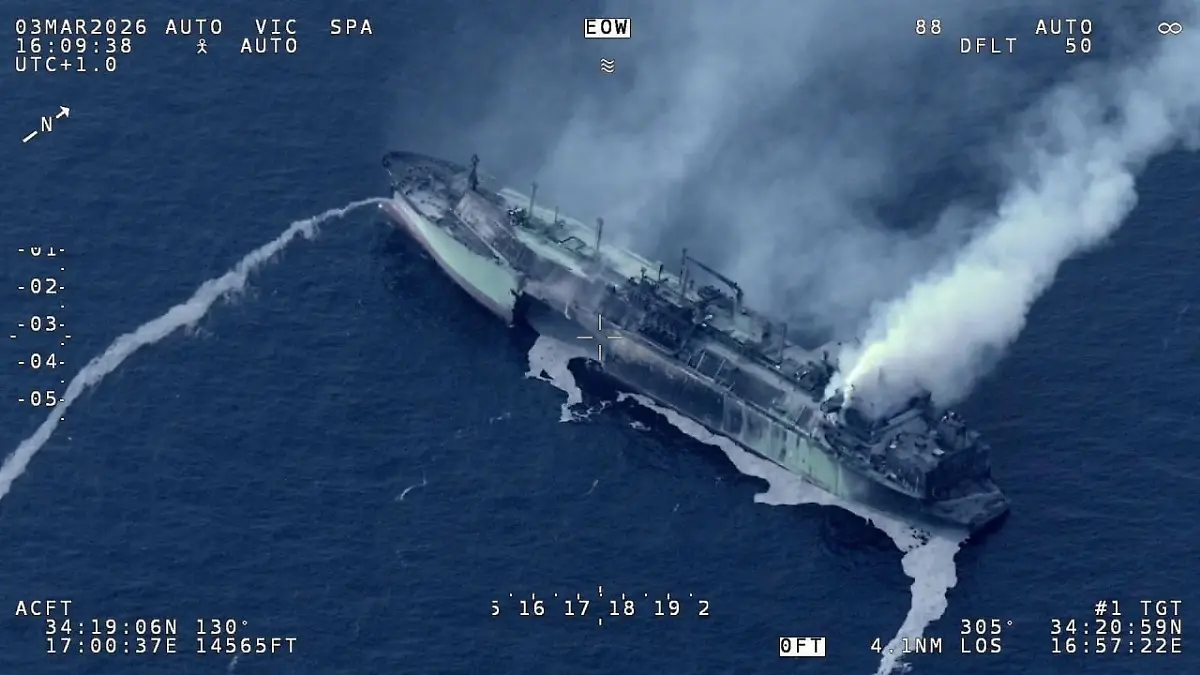
Iran-linked ships are using new names and radio codes associated with Nicaragua while still transmitting ship identification numbers on the U.S. sanctions list. The new codes follow a shared pattern, but the records do not confirm official Nicaraguan registration or reveal who issued them.
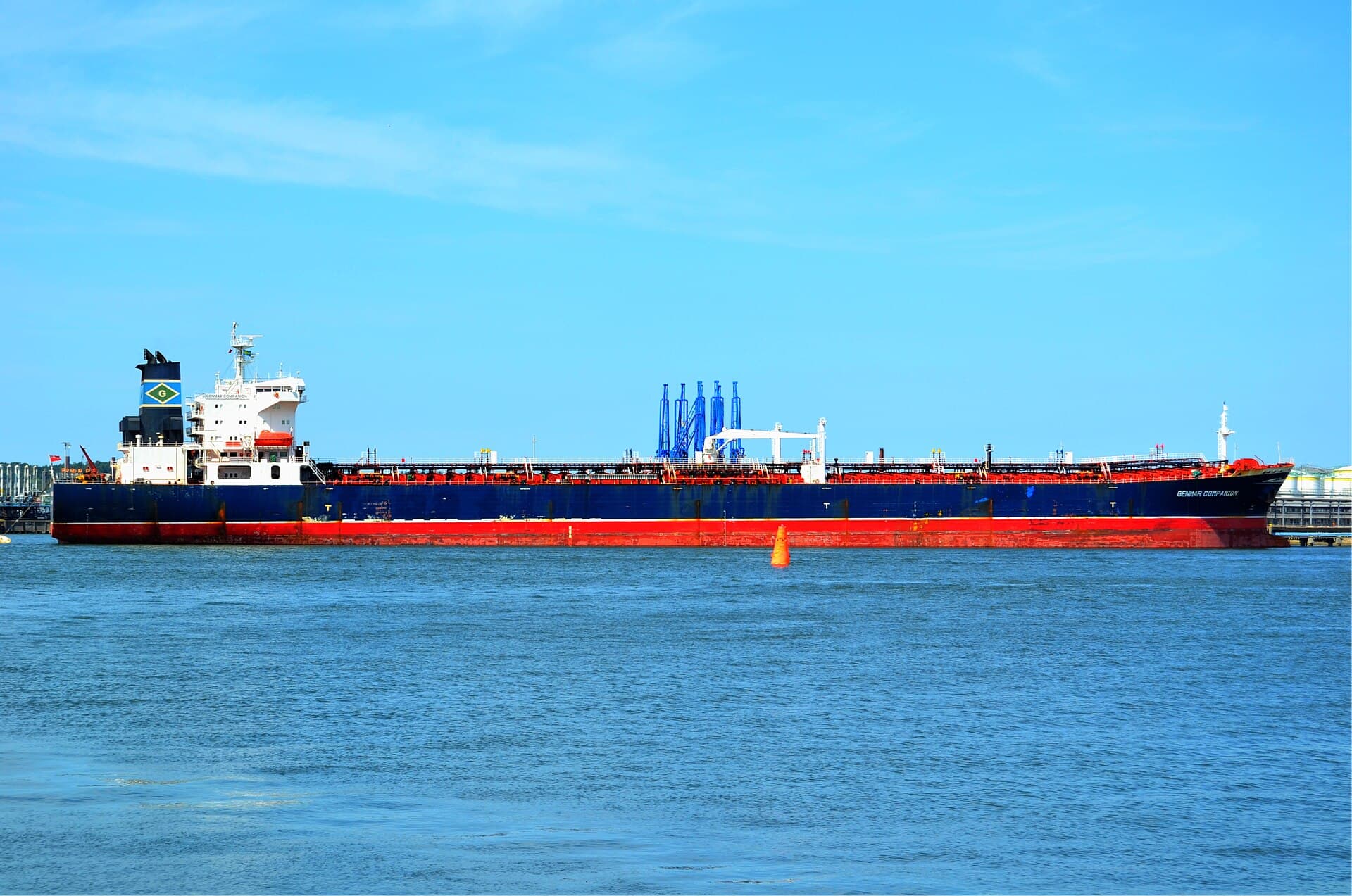
Read the Analysis →IMAGE //Genmar Companion (IMO 9255933), later listed by Treasury as Ocean Koi, at Skarvikshamnen, Gothenburg, 9 July 2011. Source: Bo Randstedt / Wikimedia Commons, CC BY-SA 3.0.
Kyiv is using drone expertise to expand its reach from Libya’s coast to northern Mali, while operations against Russia bring diplomatic costs.
Alabuga is adding defenses and reportedly assembling Chinese-origin antennas on site, giving the factory an antenna supply route outside Cheboksary.
US officials linked the Jordan strike to imagery from Chinese entities. Global Recon reconstructed four midday passes near the base by a satellite reportedly acquired by Iran. Its role in supplying that imagery remains unconfirmed.
Three investigations that show how this desk works
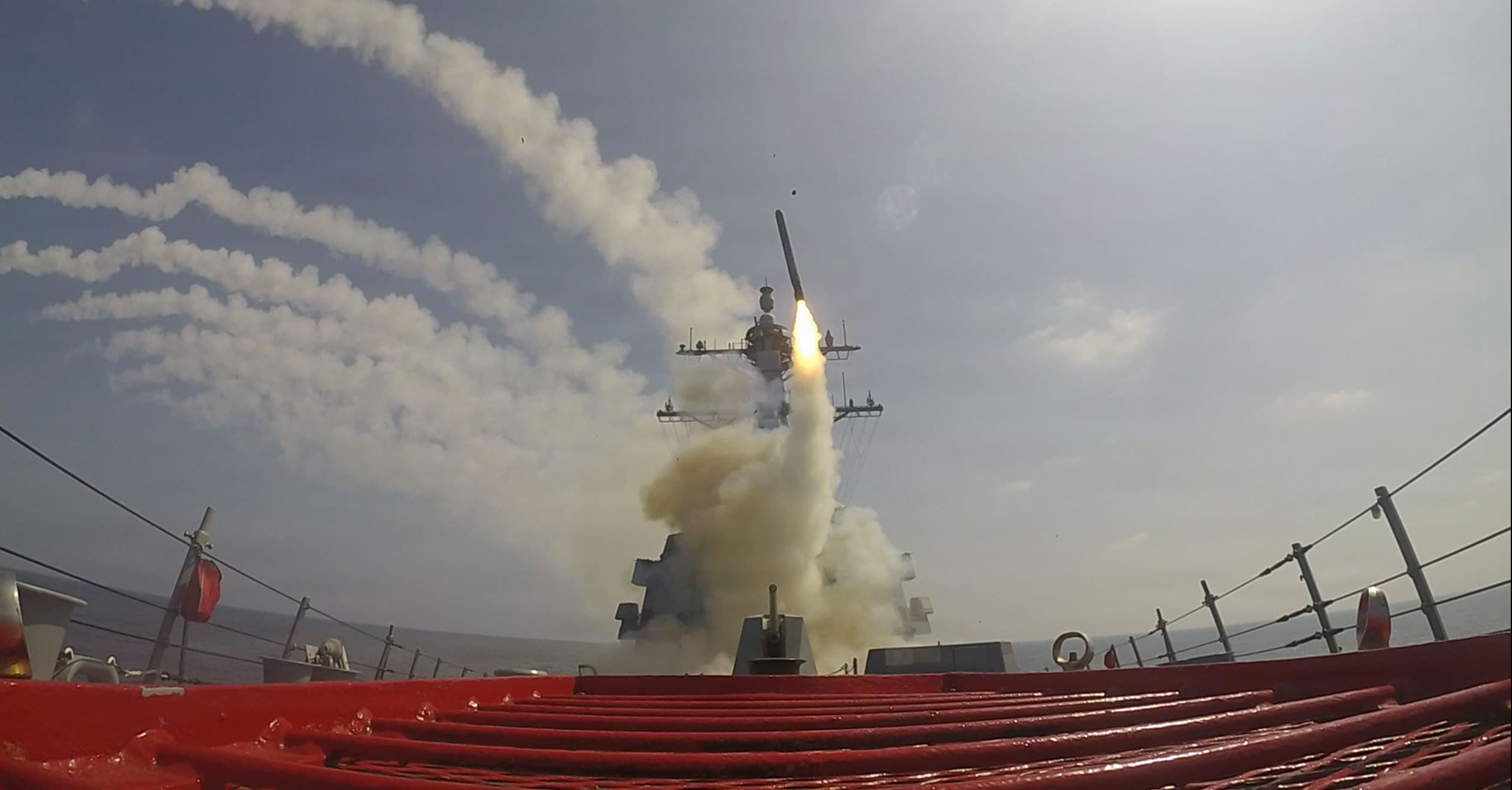
The Iran campaign did not empty the Pacific arsenal. It emptied the shelf slowest to restock, and the plan to refill it from another direction runs through a supply line Beijing can shut.
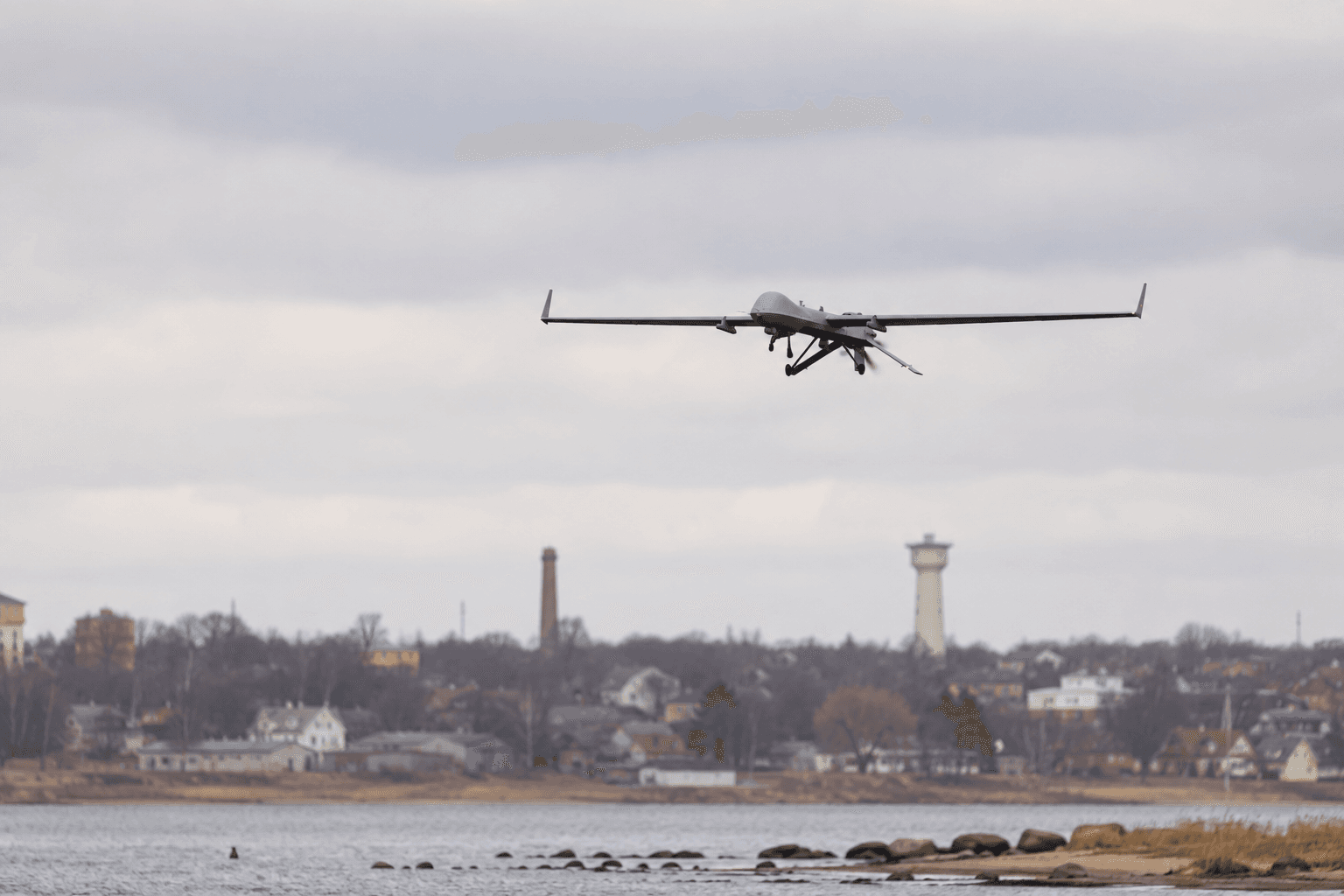
Russia’s advantage on NATO’s eastern flank is not control of every drone. It is the political crisis created when no one can prove why the drone crossed.
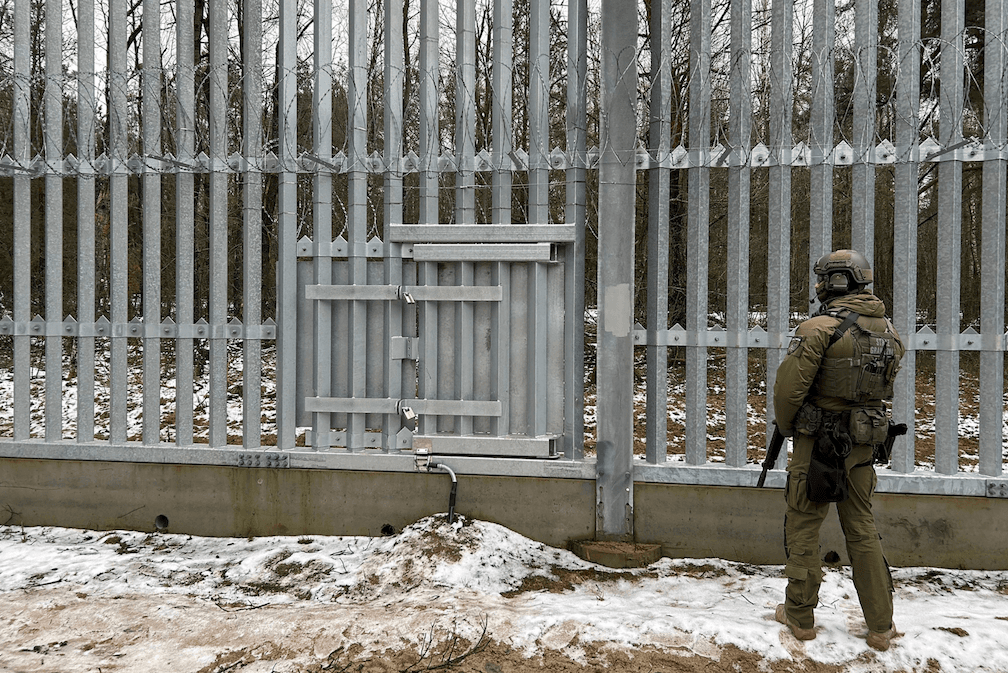
Belarus turned its frontier into a multi-use pressure system. Migrants, tunnels, drones, balloons, and saboteurs are different payloads moving through the same operating space.
OSINT and national security analysis from John Hendricks. Free, no noise.
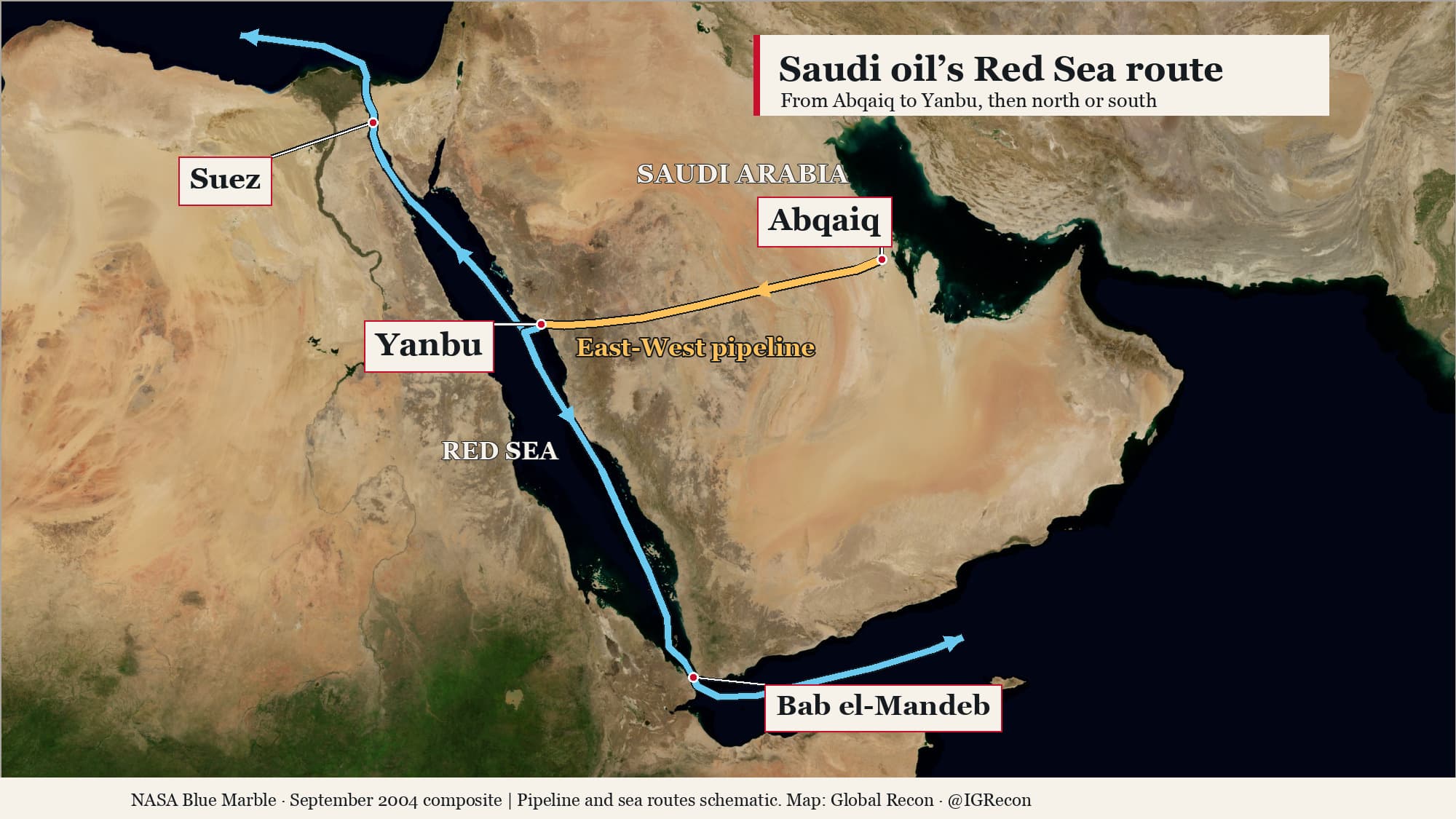
A pipeline strike from Iraq and Houthi pressure on Red Sea shipping expose the limits of Saudi Arabia’s alternative to Hormuz.
September 12, 2026
Their coastal gains could deepen pressure on Saudi Arabia’s oil bypass, whose cargoes already reroute through Egypt when the strait is too risky.
September 10, 2026
Three of the eight hulls hit since September 5 sit in a Treasury-listed pool that loads in the Baltic as well as the Gulf.
September 10, 2026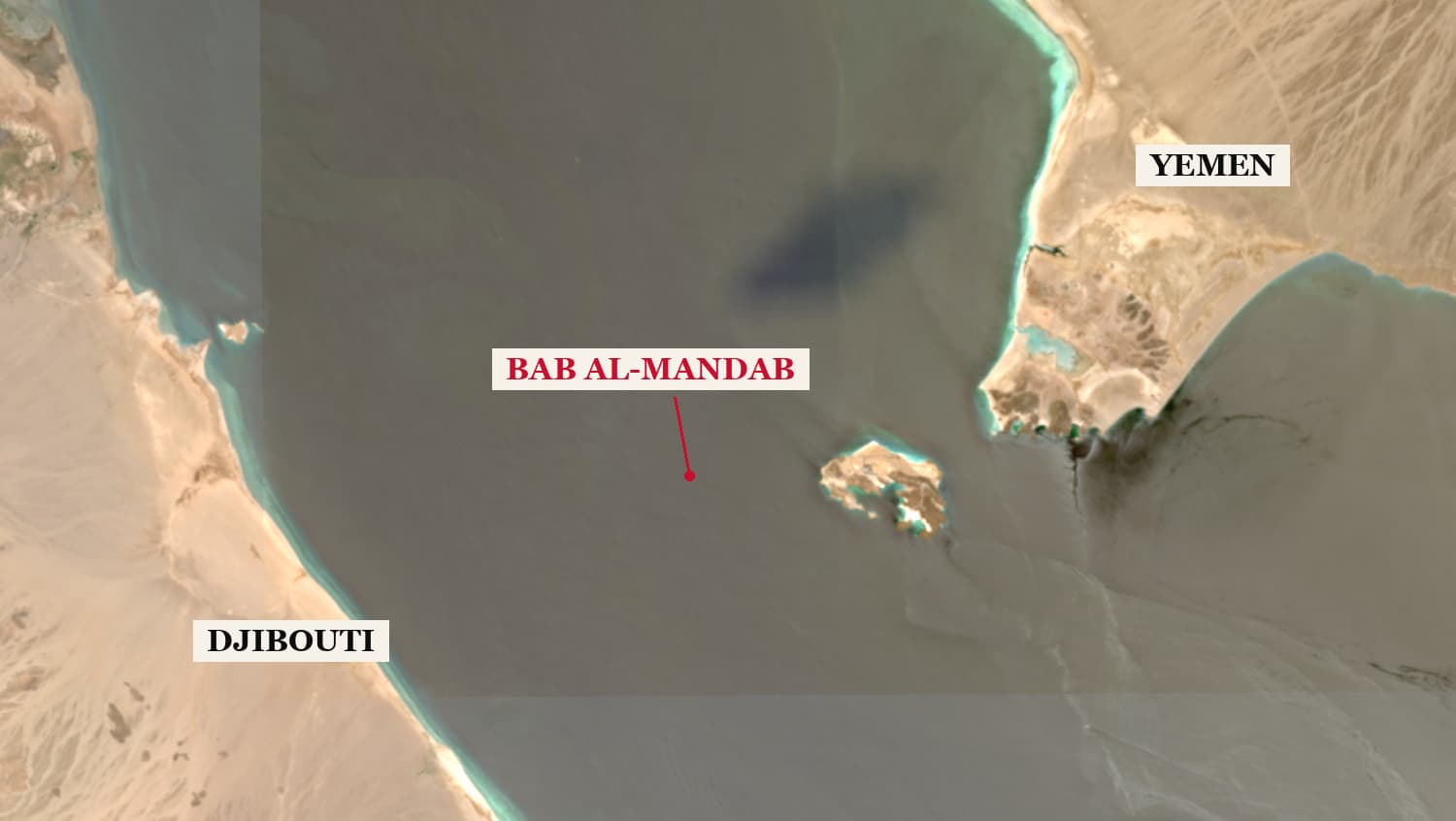
The fighting west of Taiz is testing whether Yemen’s government can keep its coastal foothold connected to the interior.
September 9, 2026