Russia’s Finance Ministry reported April oil and gas revenues of 855.6 billion rubles after the Iran-war price spike pushed Brent above $125 a barrel on April 30. The headline number landed one week after the Economic Development Ministry reported Russia’s first quarterly GDP contraction since early 2023, a 0.3 percent decline. Total April revenues came in just 21 billion rubles above the baseline calculated at the budget’s $59 oil price, against a war premium former Deputy Finance Minister Sergei Aleksashenko had estimated at 220 billion. The reason: damper payments to oil companies jumped to 207.5 billion rubles in April from 15 billion in March, consuming nearly the entire price-spike upside.
The Iran war is not funding Russia’s war. It is funding the cost of keeping Russian oil moving under sanctions. The headline revenue number is real. The fiscal benefit is not.
The damper subsidy exists because Urals trades at a structural discount to Brent under sanctions, and refiners need state payments to keep domestic gasoline prices flat when global crude surges. Higher world prices mean larger damper outlays, not smaller. The mechanism scales against the Kremlin. Oil companies had been paying into the treasury under the damper in February and March because export netbacks were depressed. The Iran-war price spike flipped that direction in a single month, and the pivot from collecting 15 billion rubles to paying out 207.5 billion is the size of the structural exposure.
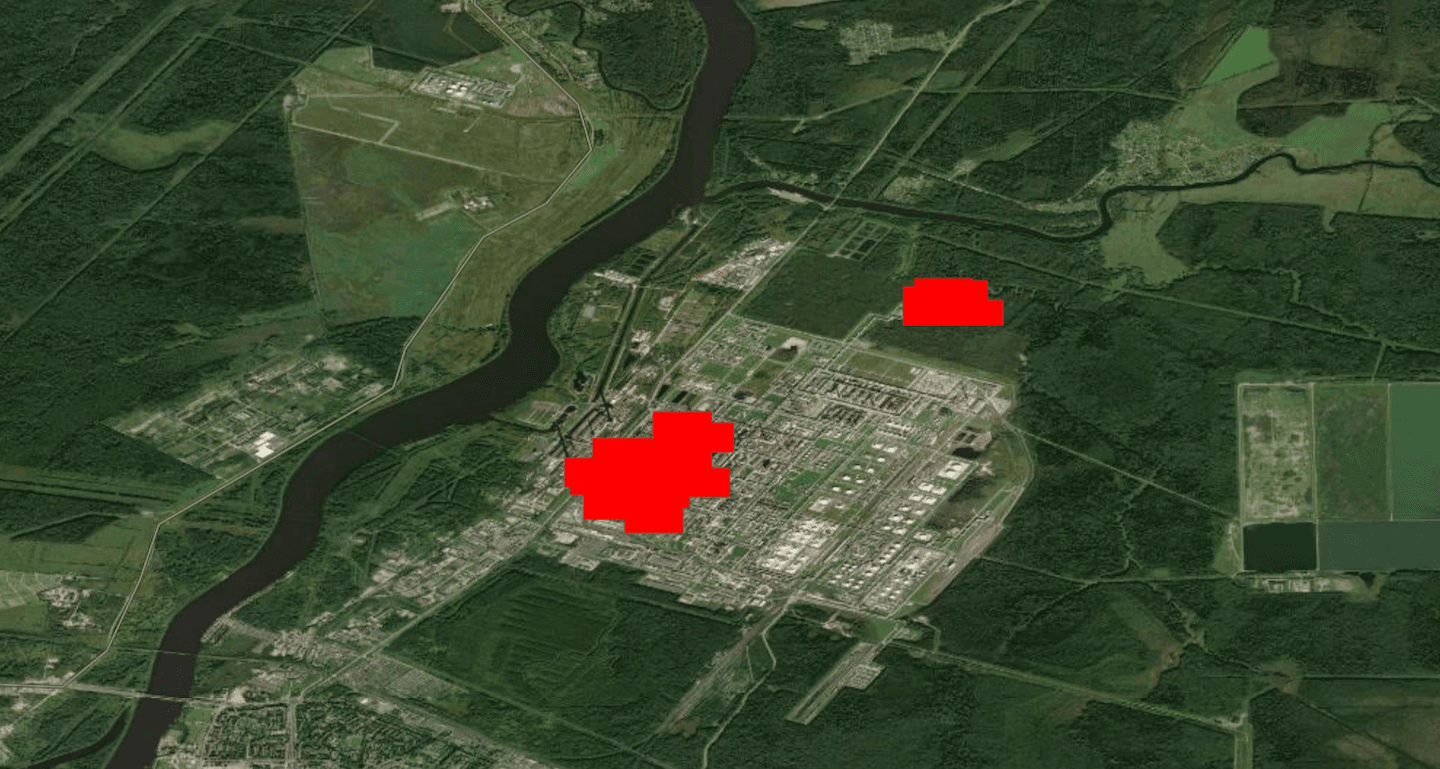
The supply side compounds the problem. Reuters calculated in March that Ukrainian strikes had idled up to 40 percent of Russian oil export capacity. The KINEF refinery in Leningrad Oblast, Russia’s second-largest, halted operations on May 5 after Ukrainian drone strikes damaged three of four primary oil processing units, according to Reuters and Ukraine’s Security Service. Bloomberg reported in early April that combined oil and gas revenues had fallen 43 percent year-on-year in March before the Iran spike. The Q1 budget deficit reached 4.58 trillion rubles, already exceeding the full-year target.
Watch the May Finance Ministry data. Aleksashenko has revised his war premium estimate upward to roughly 400 billion rubles for May at current prices. If the damper continues to absorb most of the price-spike upside while Ukrainian strikes degrade refining capacity, the May headline will repeat the April pattern: a surplus on paper, a deficit underneath.